
bees on cosmos 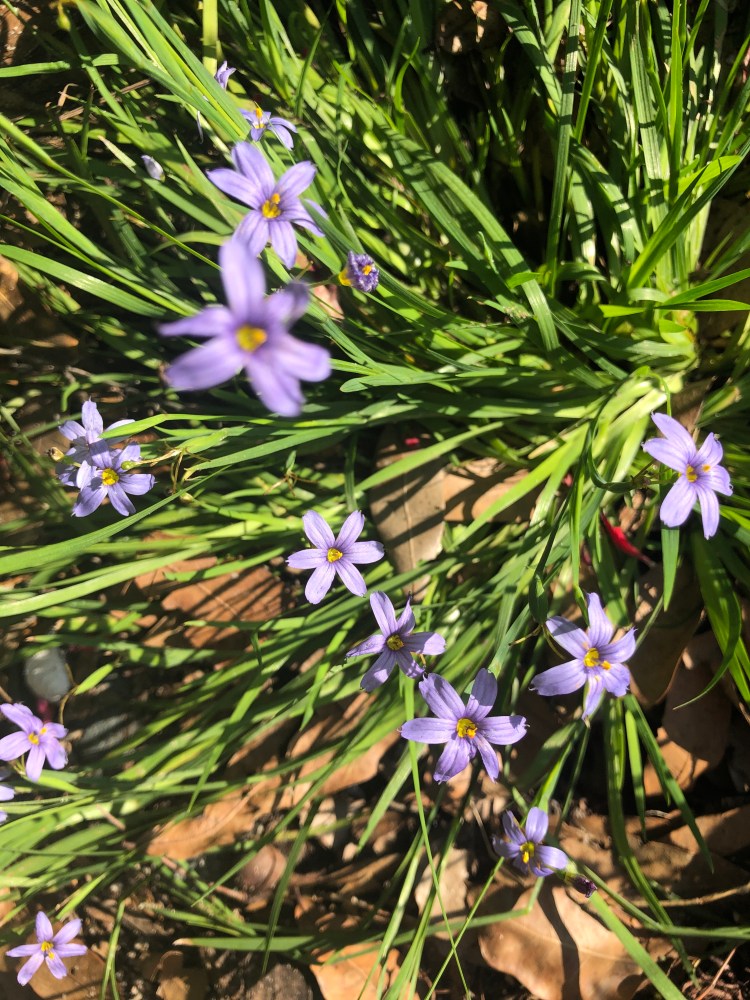
blue-eyed grass 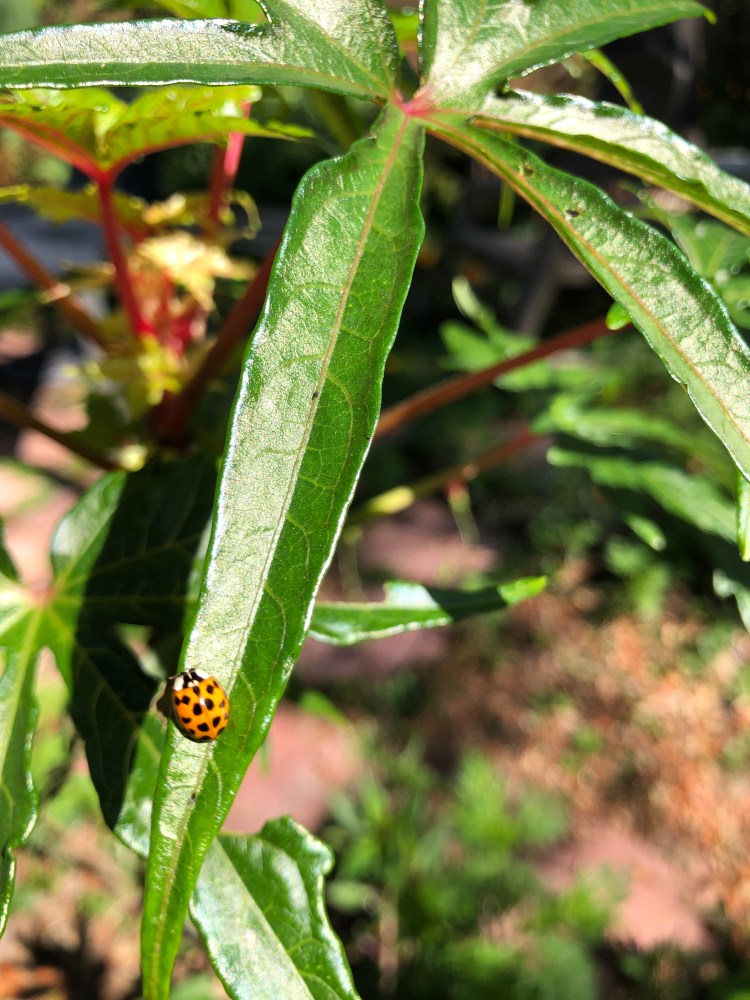
lady bug on bele 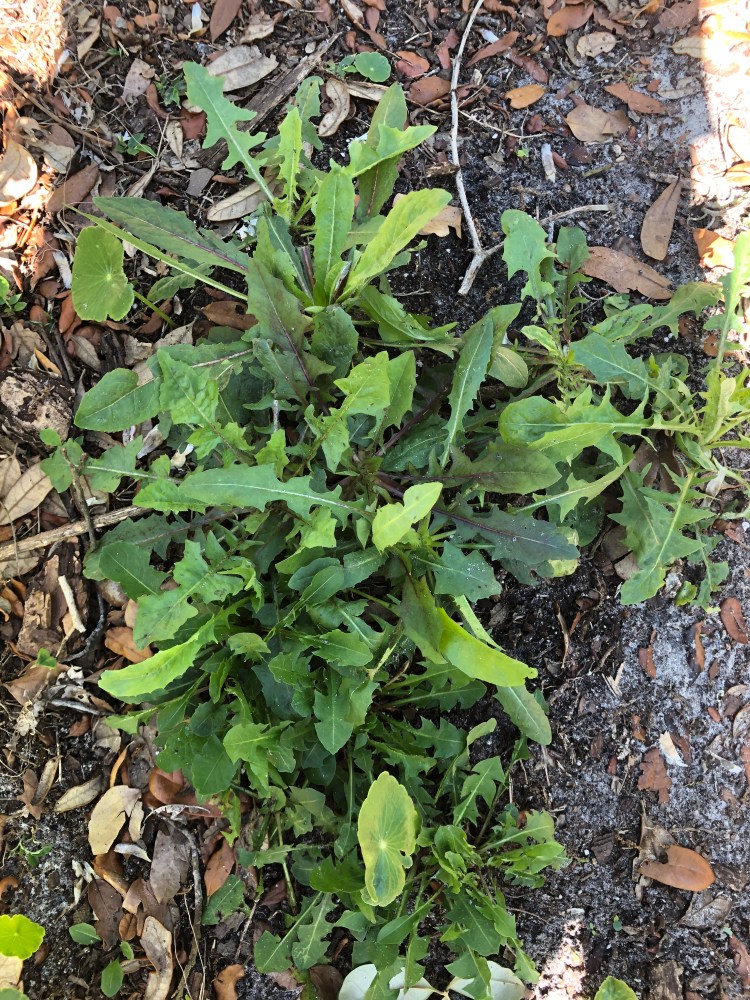
dandelions for bunny 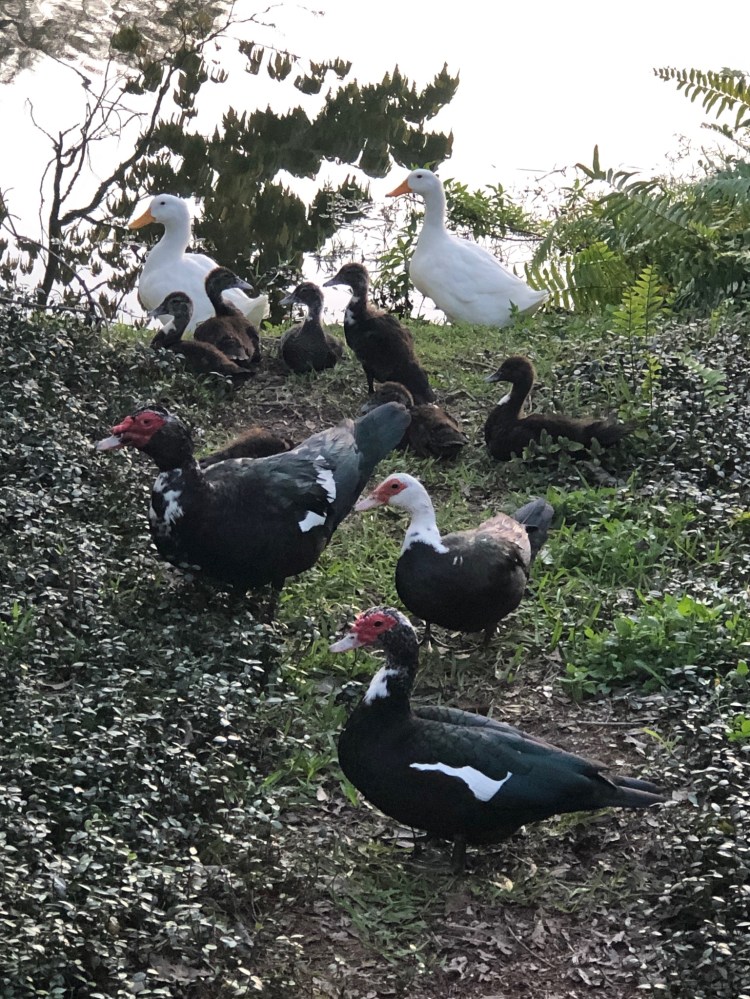
local ducks 
Pakistani mulberry 
coffee bush 
elderberry 
compost bin 
fig tree 
eggplant 
katuk 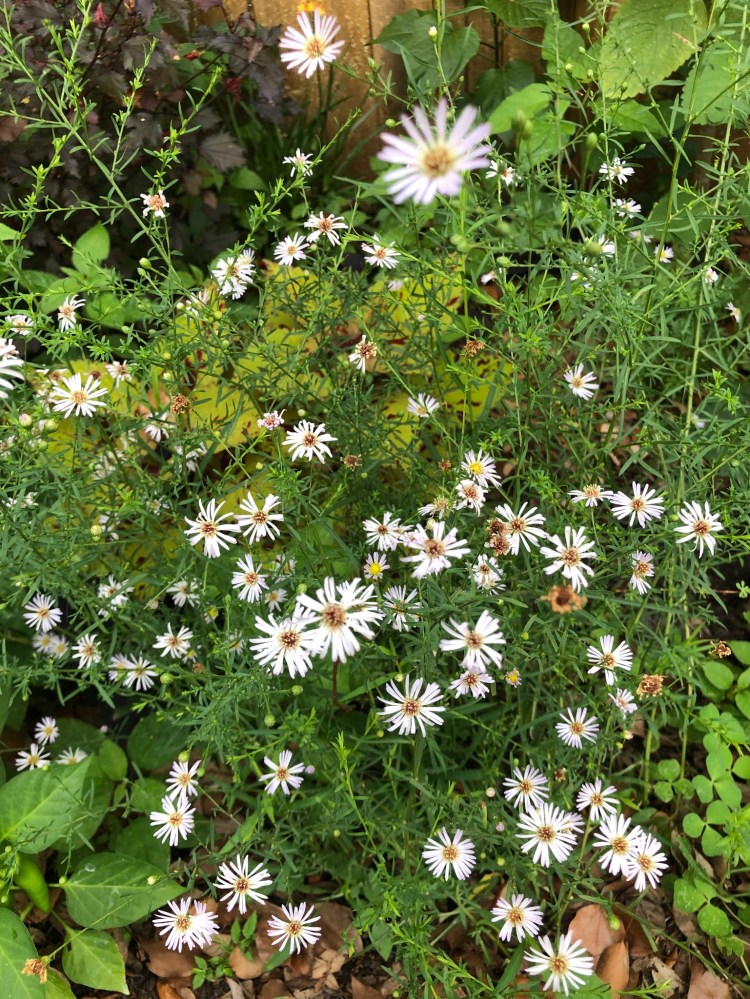
native aster 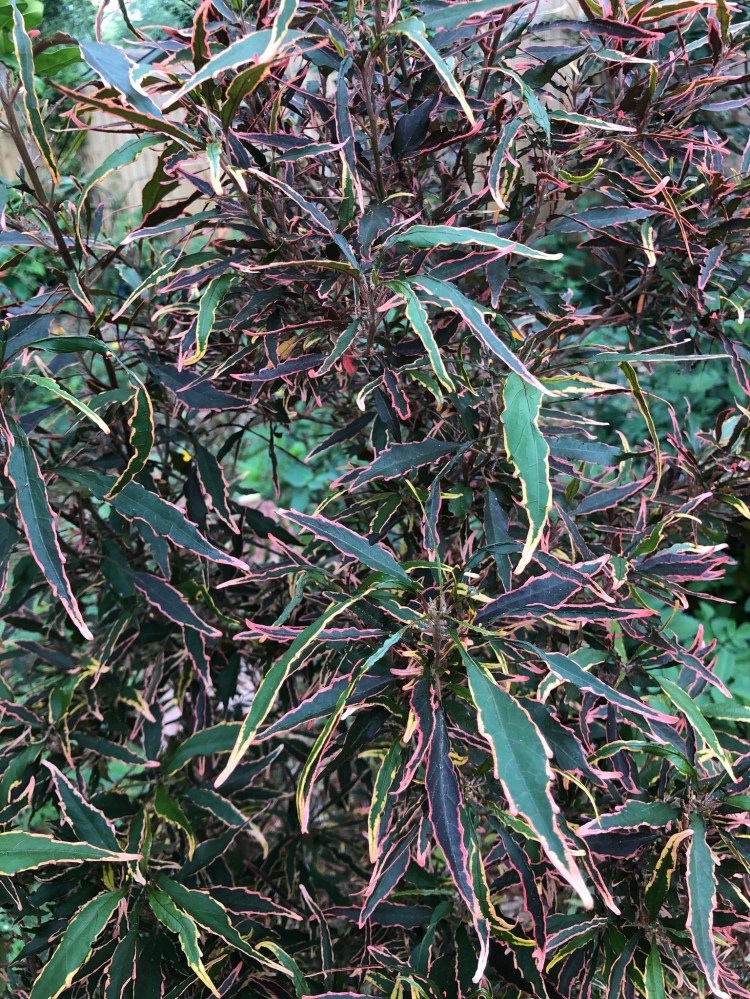
copperleaf plant 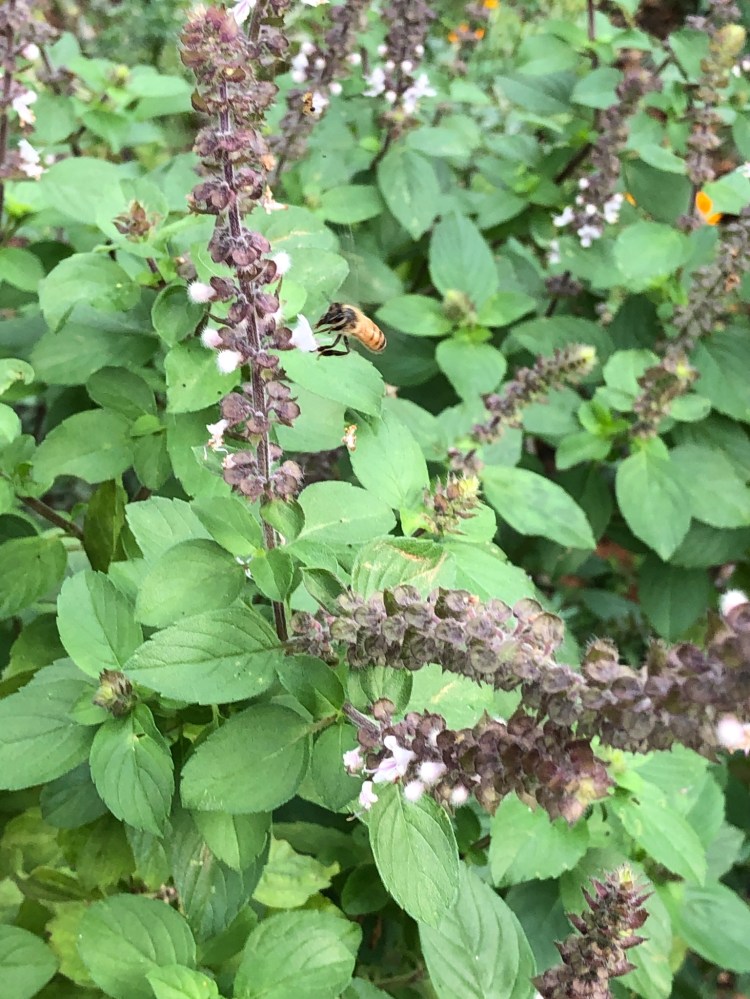
African blue basil with bee 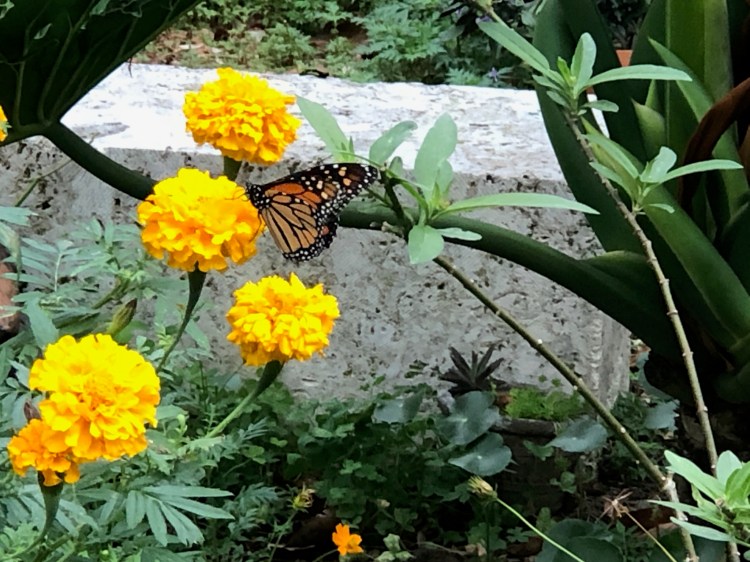
marigolds 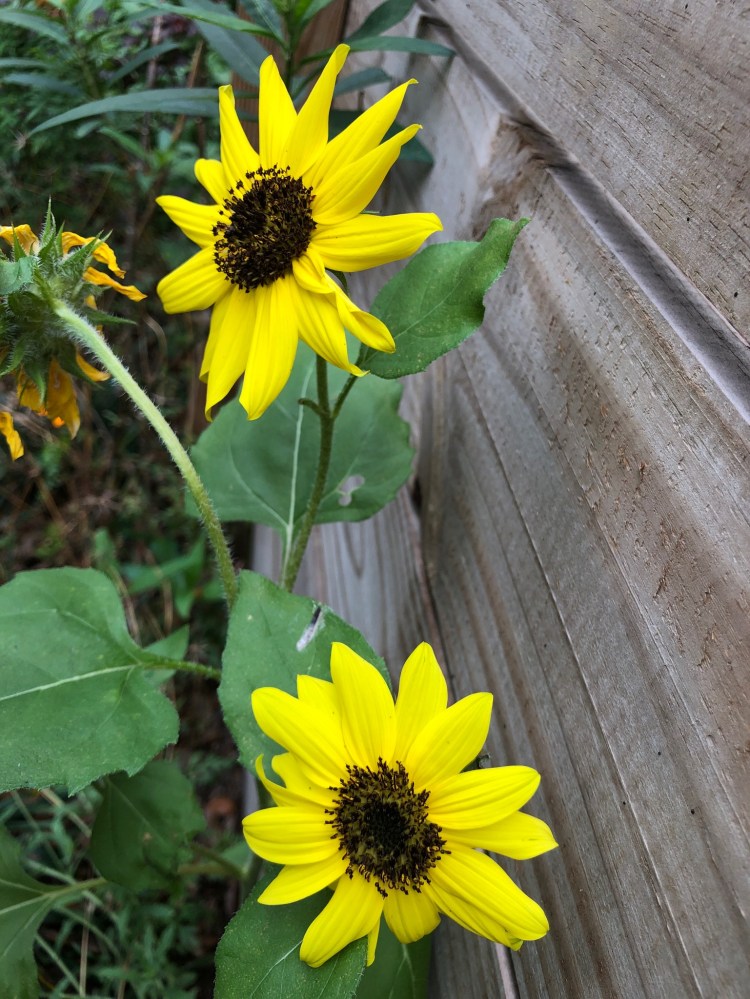
Italian sunflowers 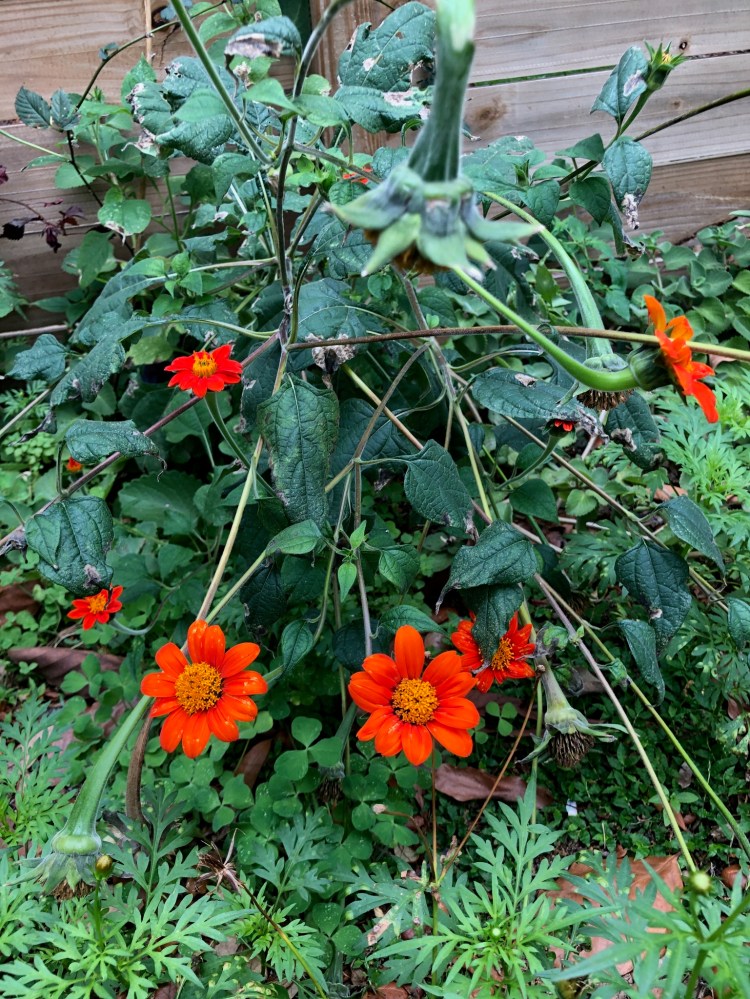
Mexican sunflowers 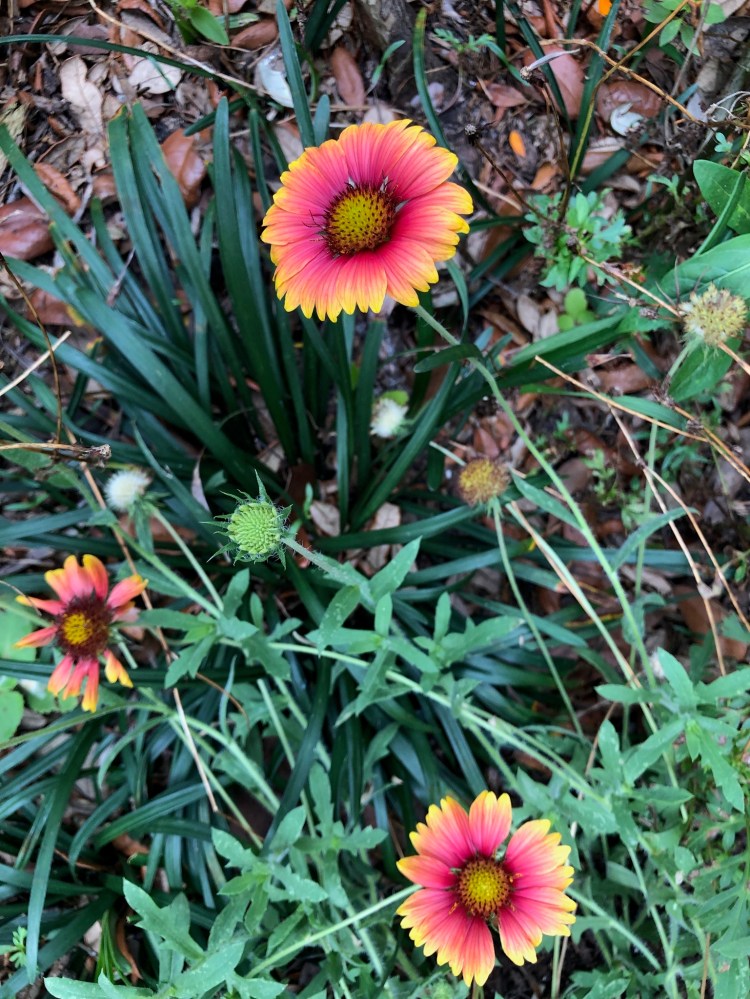
Gaillardia 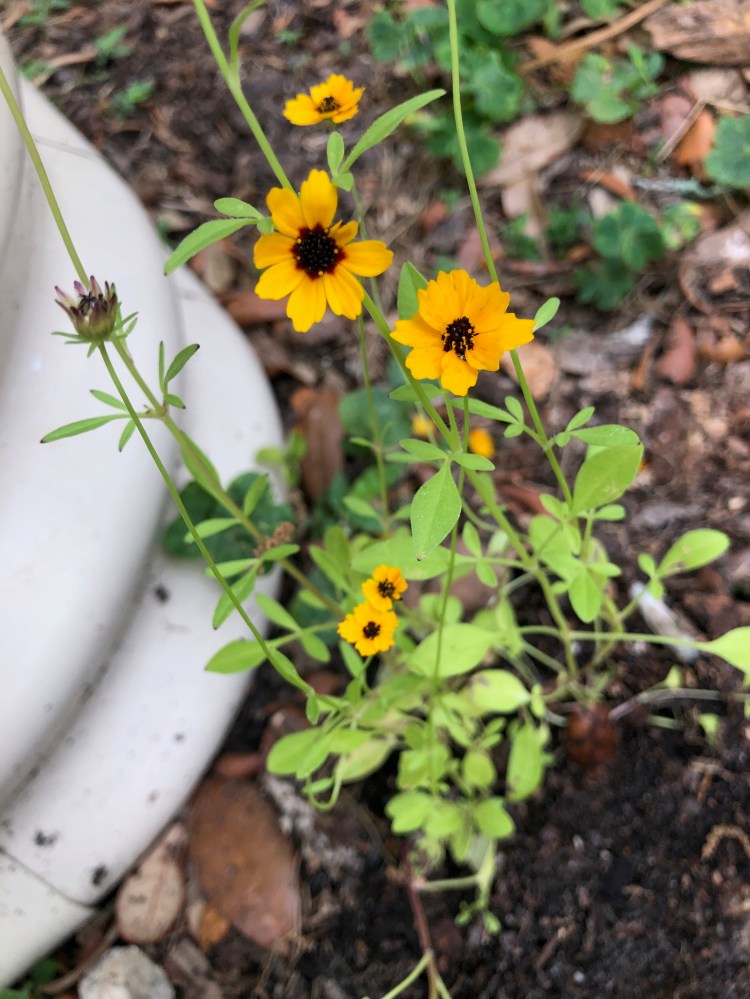
coreopsis 
rudbeckia 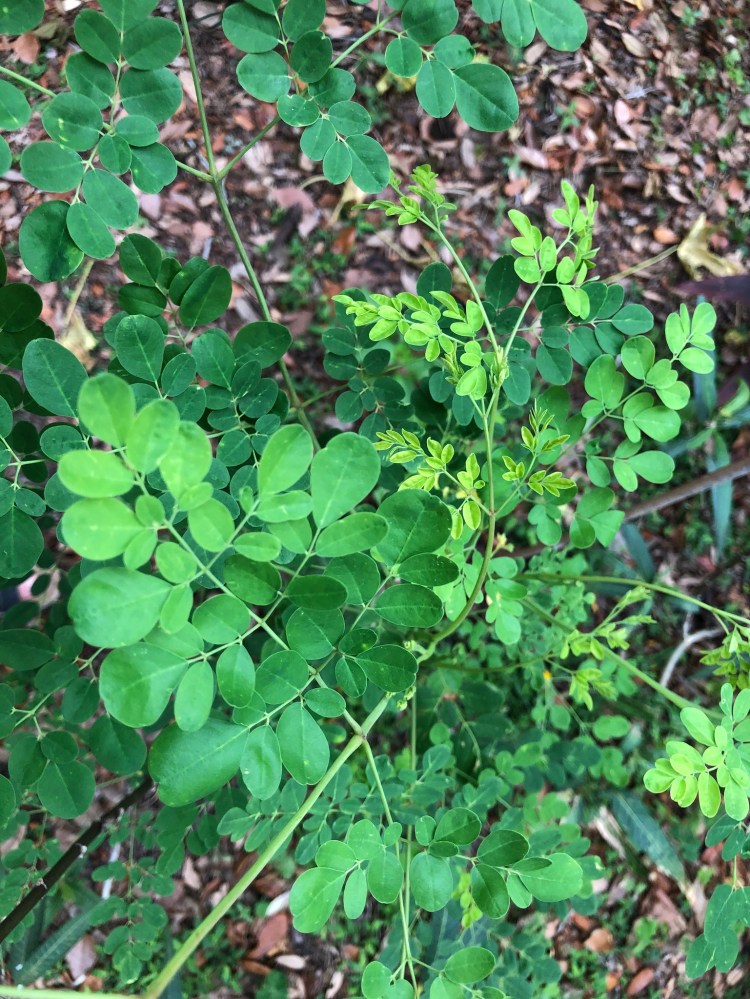
moringa 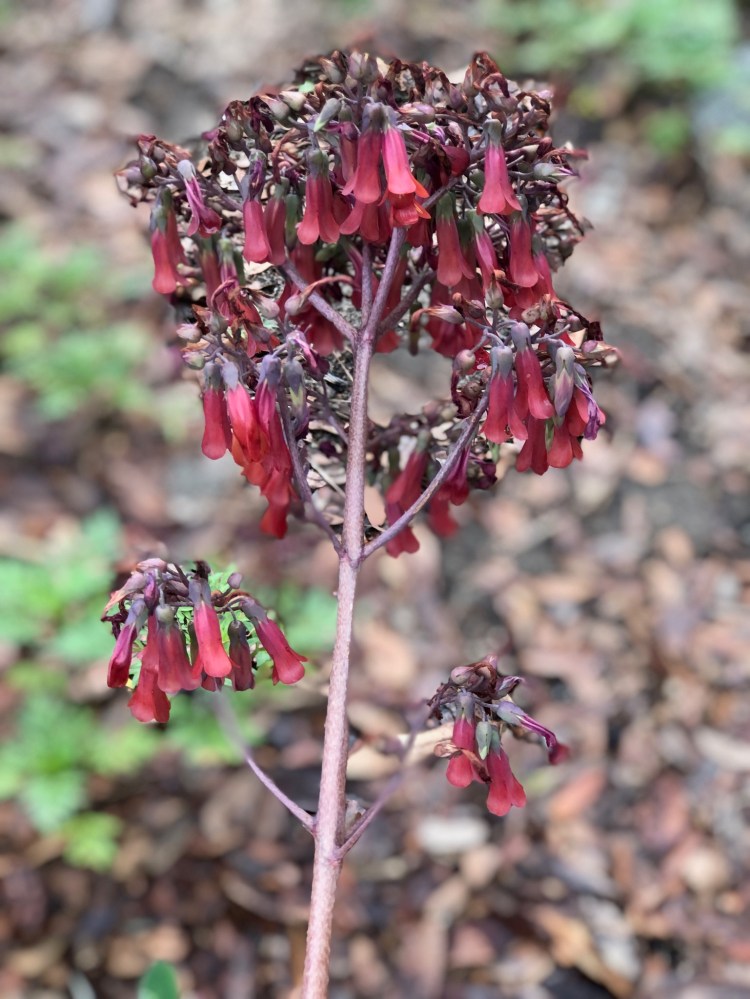
kalanchoe 
salvia 
miracle leaf flowers 
peppers 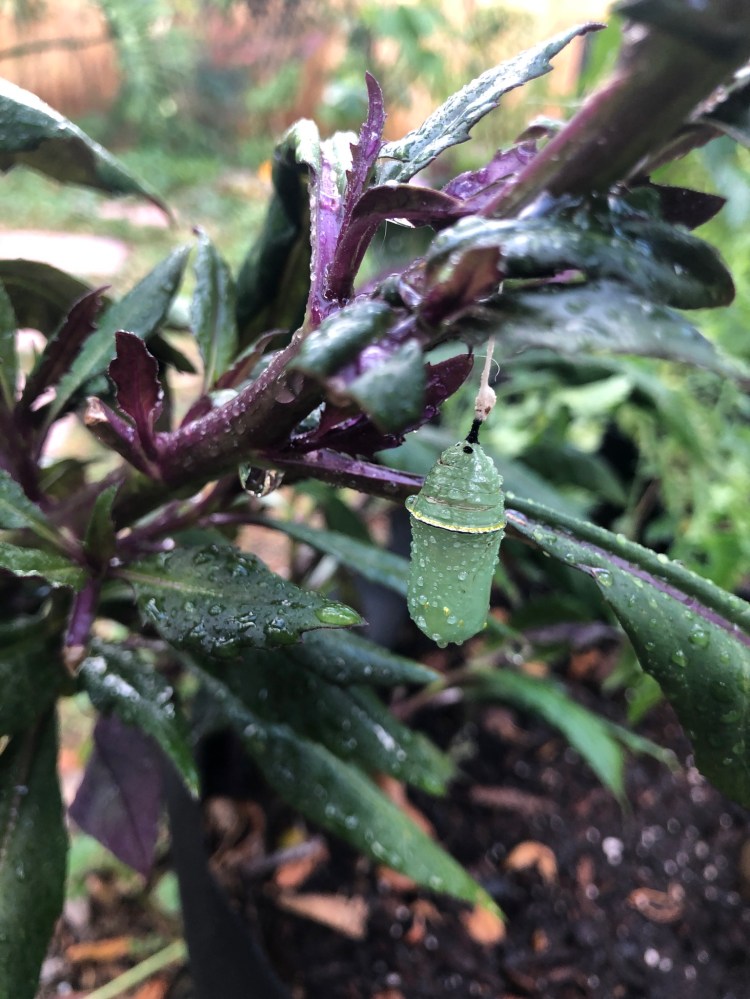
another monarch chrysalis 
dill flower 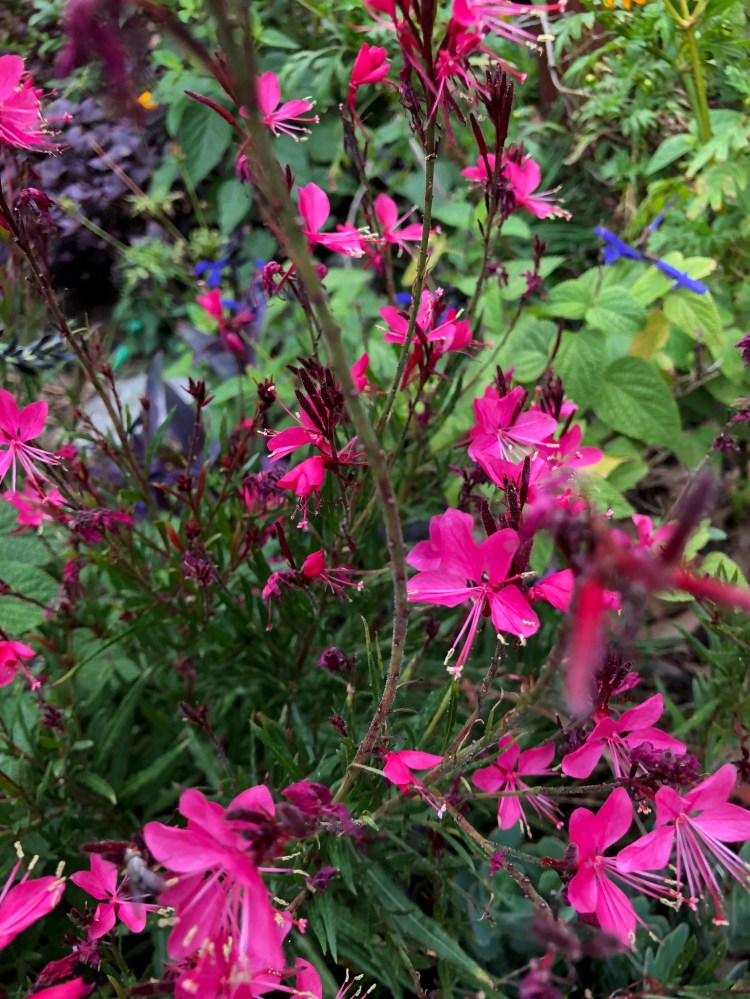
gaura 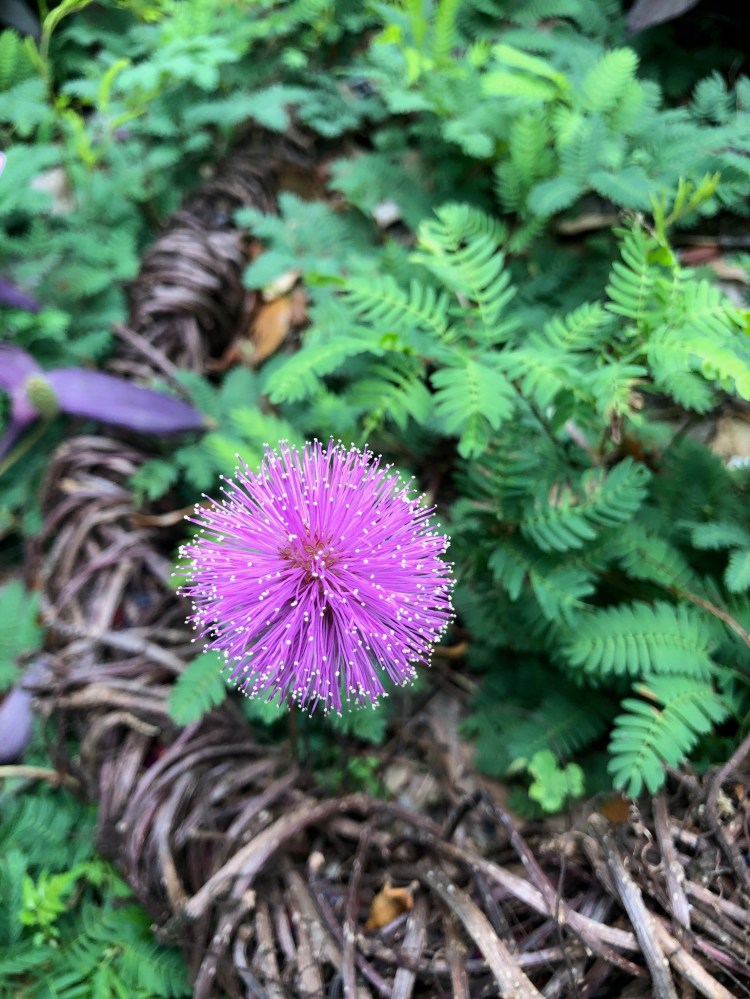
sunshine mimosa 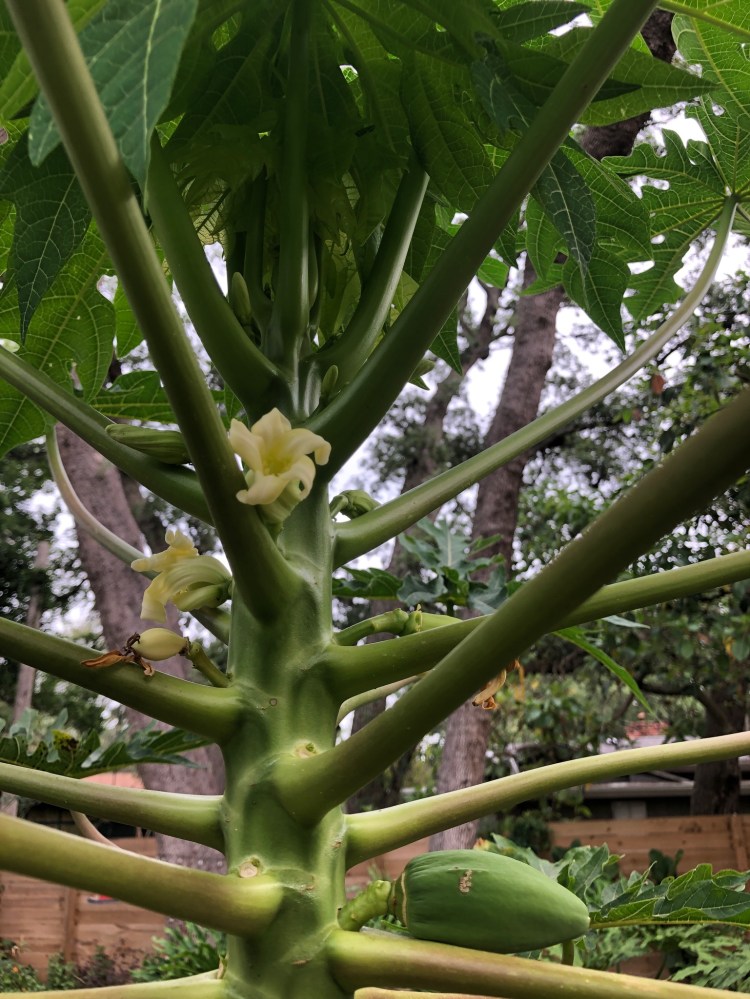
first papaya 
rescued baby squirrel 
cat monopolizes hide out 
hanging out 
dog and rabbit become friends 
ducklings hatch and make way to lake down the street 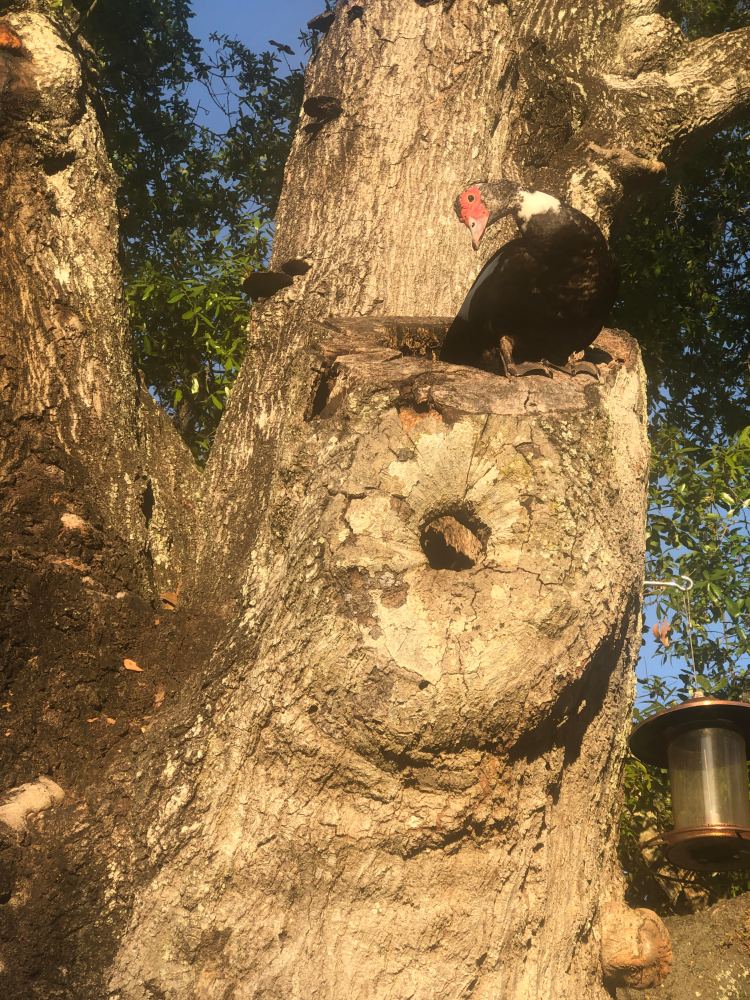
duck lays eggs in hollowed tree branch 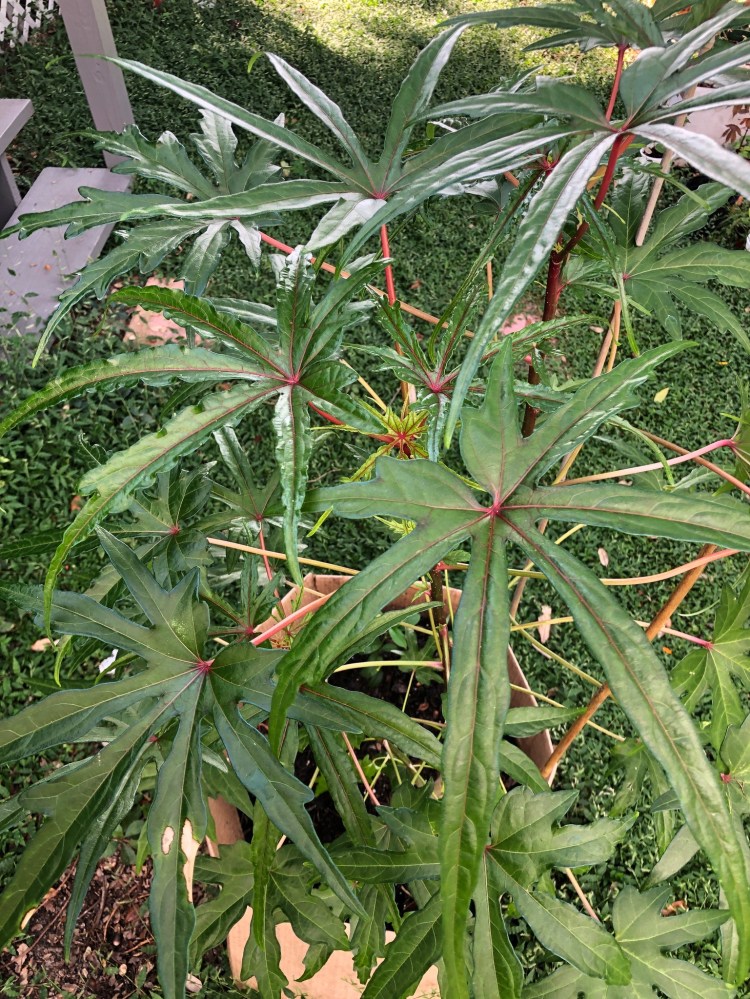
bele 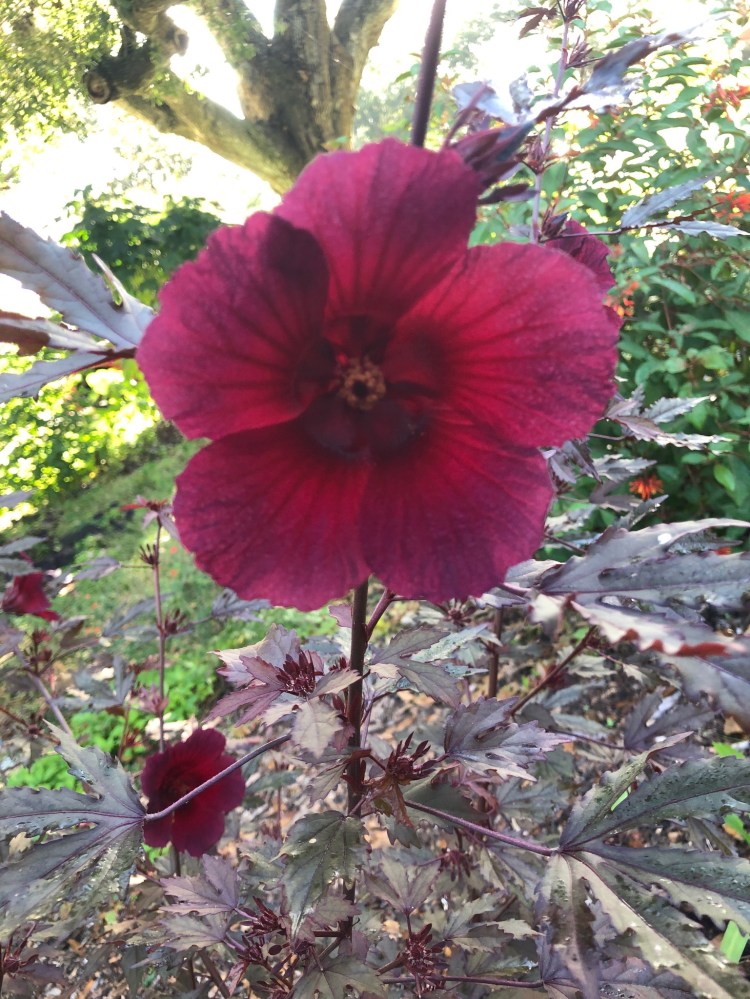
cranberry hibiscus 
cosmos reseed 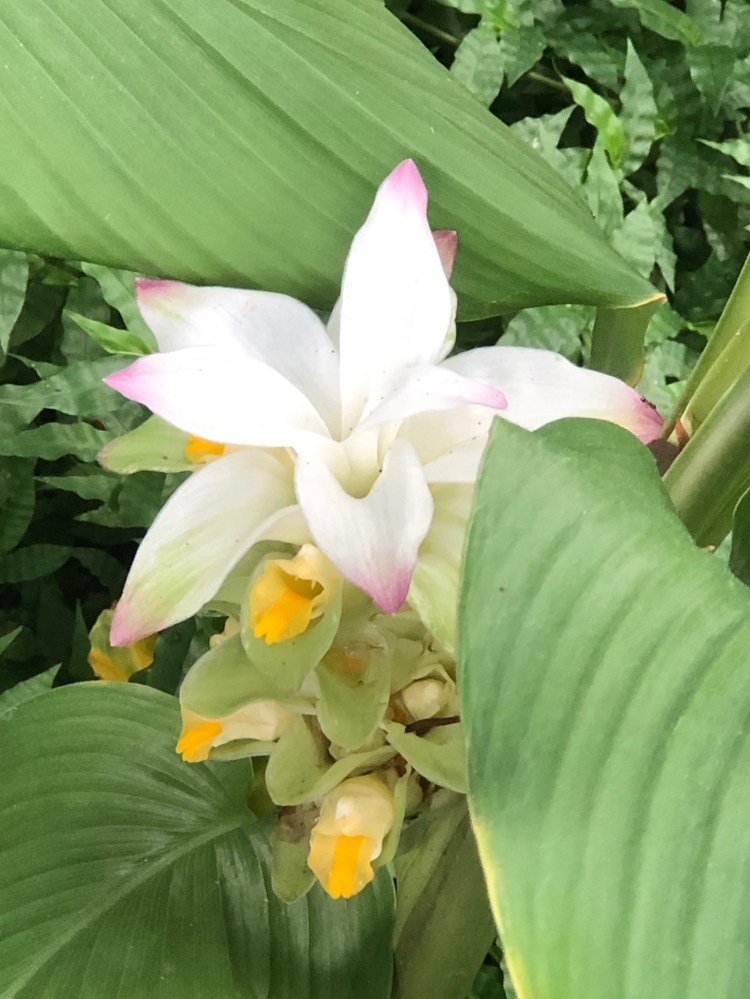
turmeric flower 
visitors to yard socially distancing 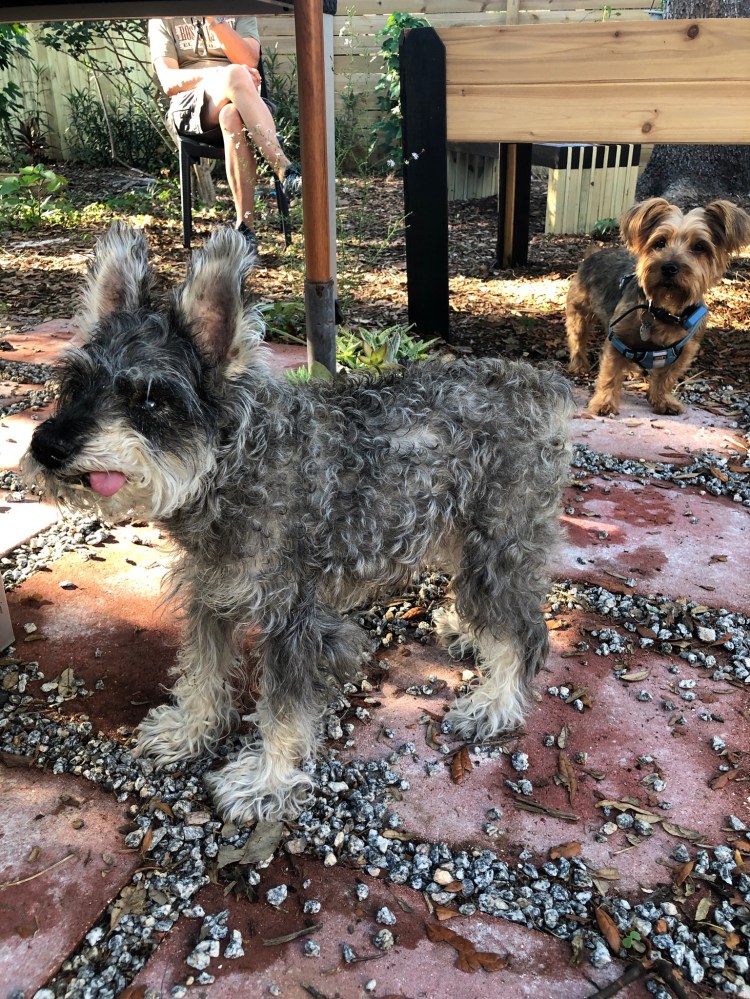
visitors to yard socially distancing 
devil’s trumpet 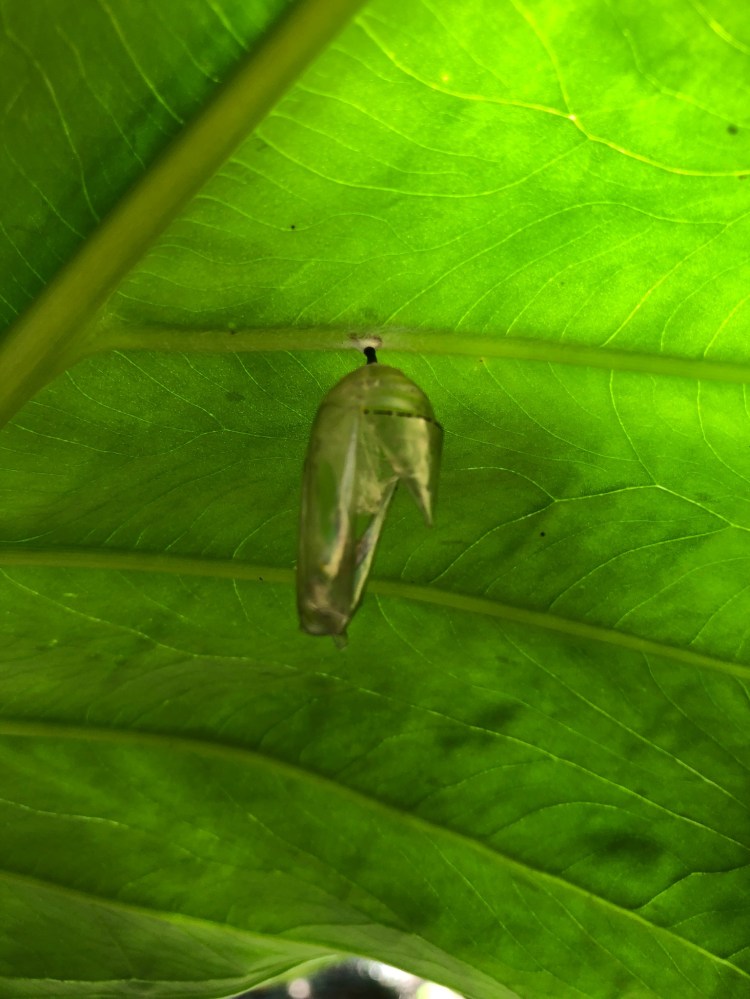
monarch chrysalis after hatching 
monarch chrysalis before hatching 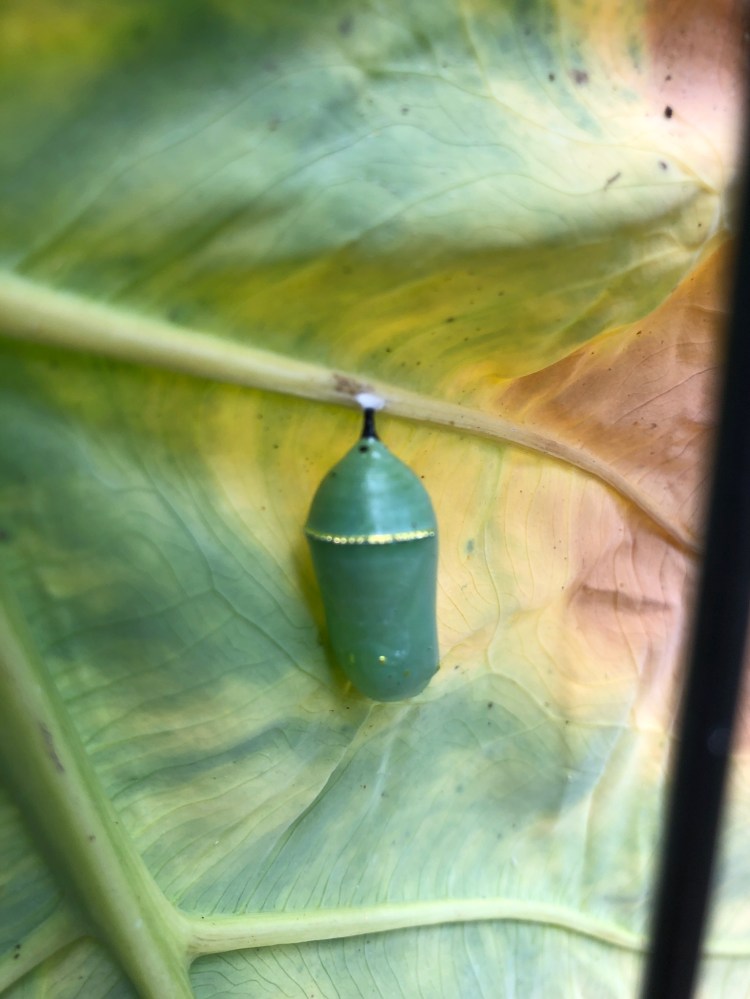
monarch chrysalis 
feed rabbit poop to worms 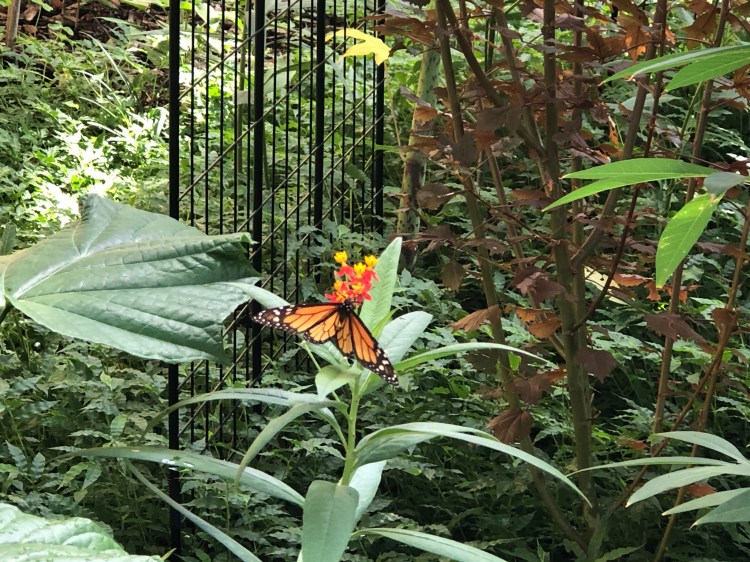
monarchs appear 
monarch caterpillars 
milkweed for butterflies 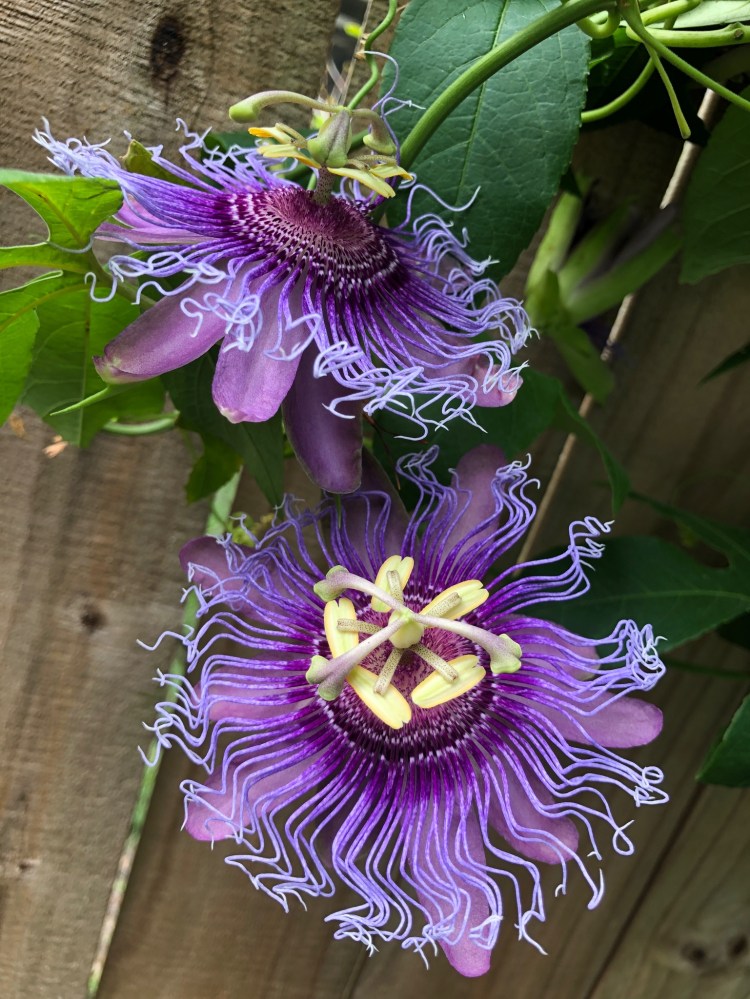
passion vine for butterflies 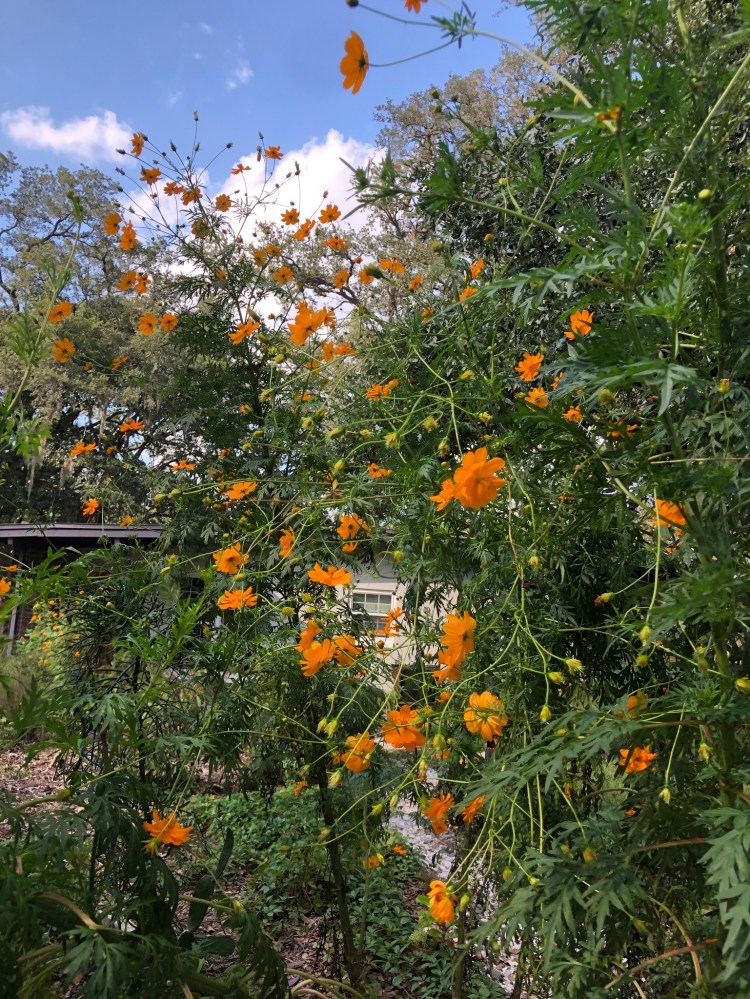
cosmos take over front yard from summer rain 2020 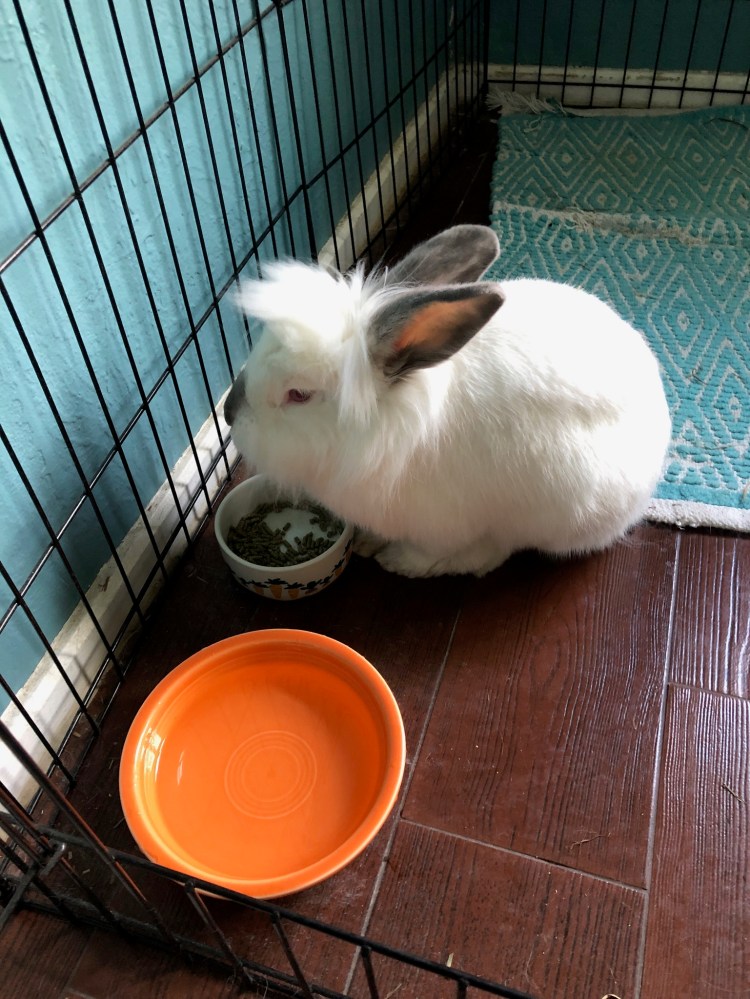
foster and adopt rabbit, Swayze 
first tomato 
ground mushroom 
worm bin 
daikon radish, first cover crop 
creating path 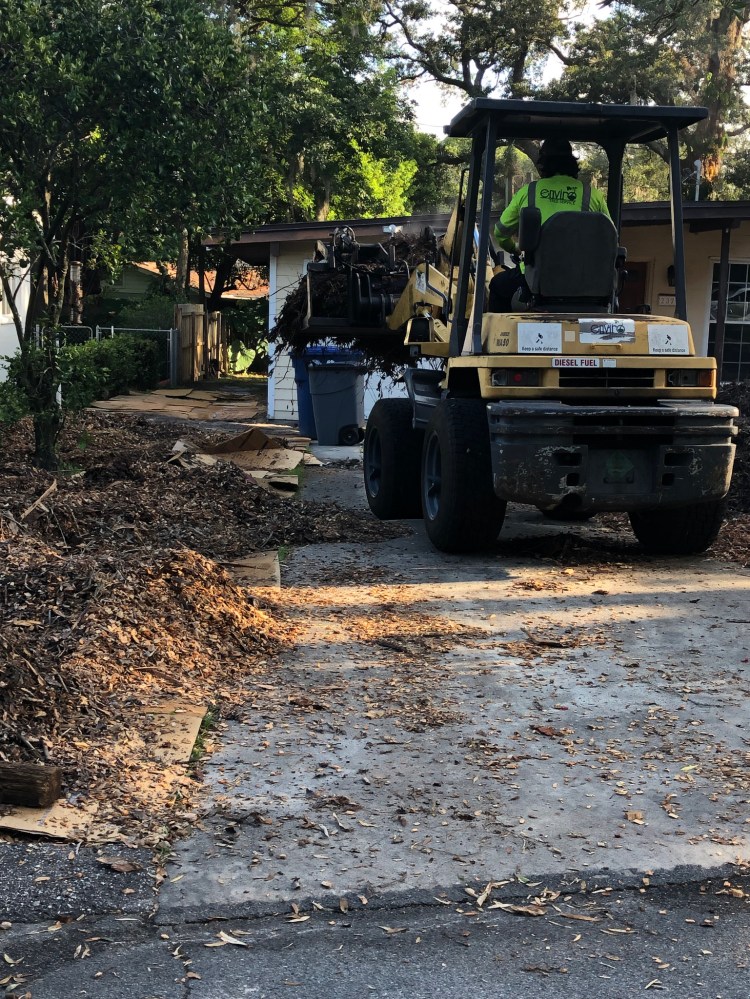
spreading truck load of wood chips 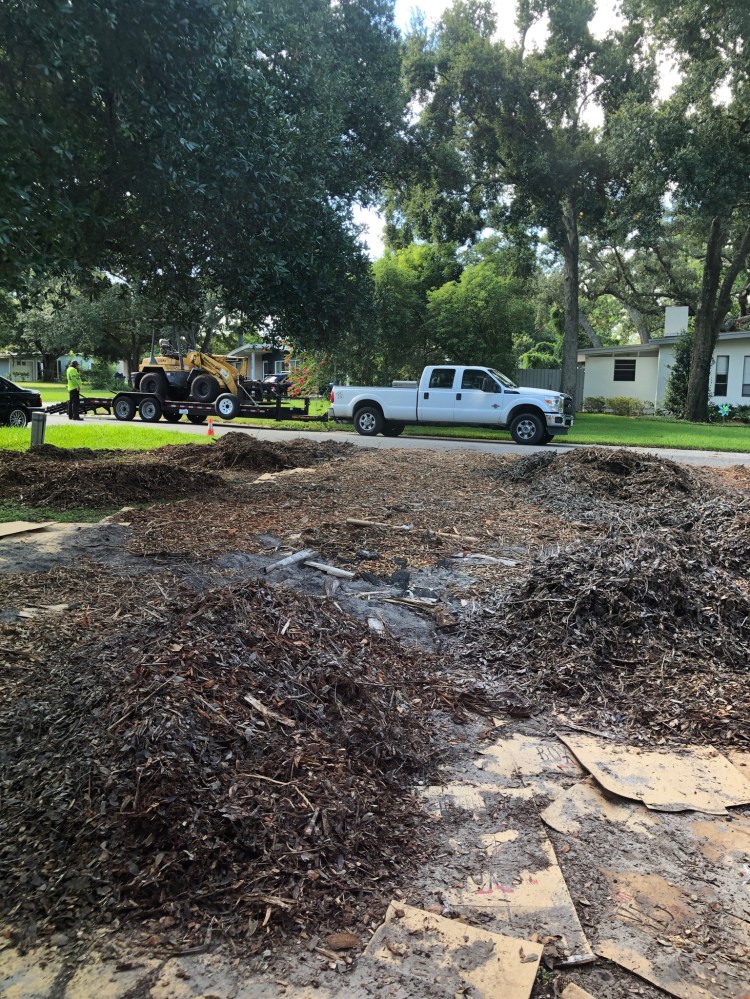
cardboard and wood chips in front 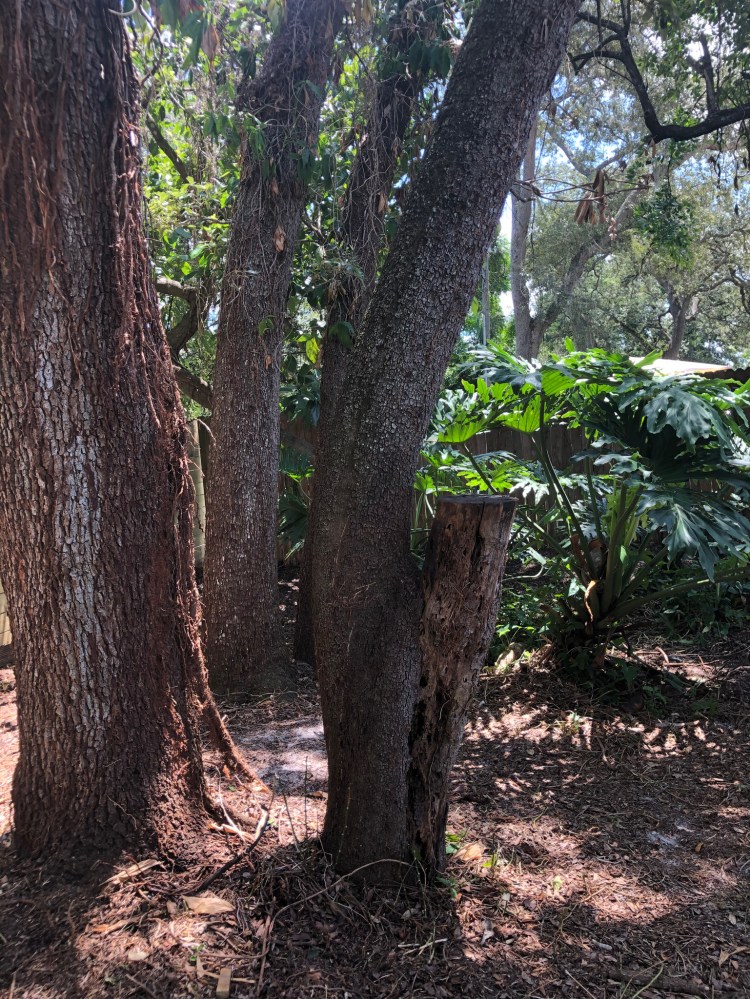
back yard, fall 2019 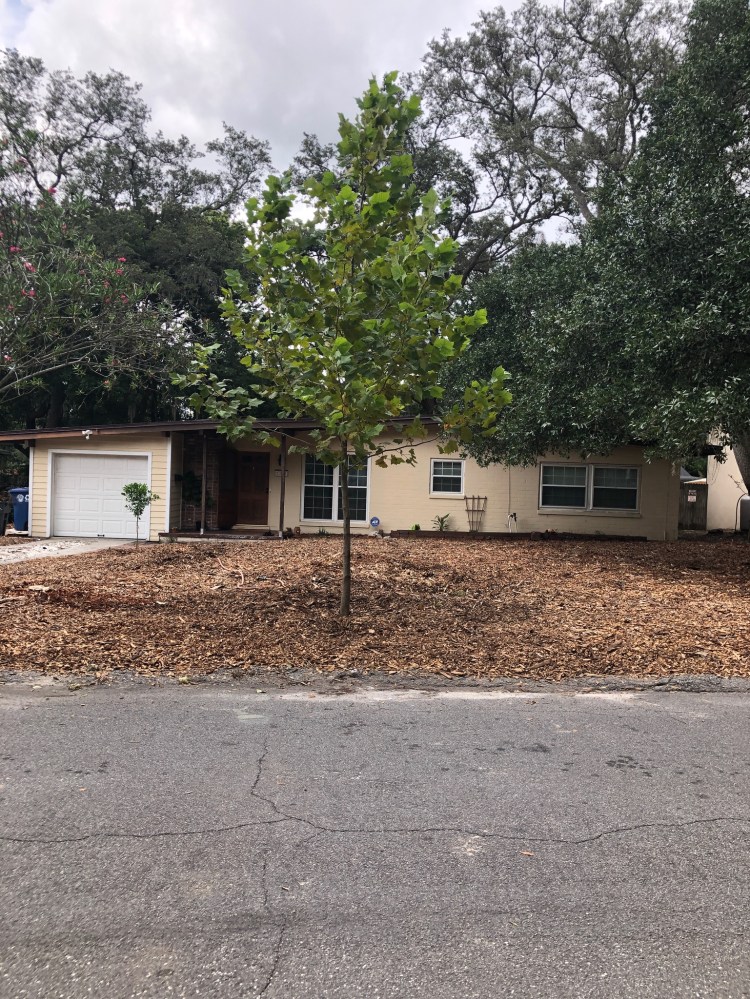
front yard, fall 2019
When I started my first garden in California in 1987, it was the second year of what was to become one of the longest droughts in the state’s history. This drought lasted until 1992. I hired someone to put in an irrigation system and he recommended a drip system, which is the best for conserving water. He also recommended replacing our dead sod with drought-tolerant plants. Once established, these plants would require little watering.
I followed all his great advice and, within a year, had a wonderful garden with many colorful and flowering plants. Moreover, a majestic live oak tree in our backyard came back to life with this new watering regime. About five years later, both state and municipal agencies began offering property owners grants to replace their lawns with drought-tolerant landscaping. Even with these incentives, it took many more years before Californians, in significant numbers, replaced their lawns with water-conserving gardens.
Monoculture in any form, including lawns, is a bad idea. To keep lawns “healthy” and attractive requires not only a lot of water, but repeated applications of herbicides and fertilizers, which pollute ground water and kill important pollinators. Even without the chemicals, mowed lawns deprive birds, beneficial insects, and other wildlife of plant food sources they need to survive. The removal of leaves and other decomposing plant materials from lawns depletes the soil of nutrients, and thus begins the energy- and water-wasteful vicious cycle of mowing, blowing, and fertilizing, and then poisoning any non-lawn plant that pops up in this moist environment.
Without a lawn, my yard required some pruning, and occasionally replacing a plant or adding more wood chips and mulch. We replaced concrete walkways with decomposed granite, so rain water could be absorbed better and not run off into the street. We could choose to let fallen leaves decompose in place on the mulch, or rake up large ones and add them to our compost bin. During the years when California rationed water, my yard was full of flowers and attractive perennials, while my neighbors’ lawns turned brown. Birds and butterflies regularly visited our yard, and a sizable population of lizards helped with insect control.
Now I live in Central Florida and, in most months, there is plenty of rain. But the first thing I did when starting my garden here was to get rid of my lawn. Even with lots of rain, lawns contribute to the loss of habitat for pollinators and other wildlife. Also, the fertilizer run-off from lawns, in Florida, contributes to toxic algae blooms in our lakes and rivers. By covering my yard with wood chips, and by letting the chips, leaves, and other plant debris decompose into my soil, I do not need to use synthetic fertilizers. I add compost to areas where I have fruit trees and other food crops, and I plant mostly native flowering plants to support pollinators, which also helps with growing vegetables and fruit.
I started my garden a few months before the pandemic shut everything down. Working in my garden kept me outdoors a lot during the last year, and provided needed breaks from zoom meetings and catching up with the increasingly depressing news and death toll. Finding bees, caterpillars, butterflies, birds, and other visitors in my yard is a continuous source of entertainment and inspiration. Finally, the ongoing tasks and routines of gardening helped me feel productive during the days I found it difficult to get other things done.
 Laurie J. Shrage